
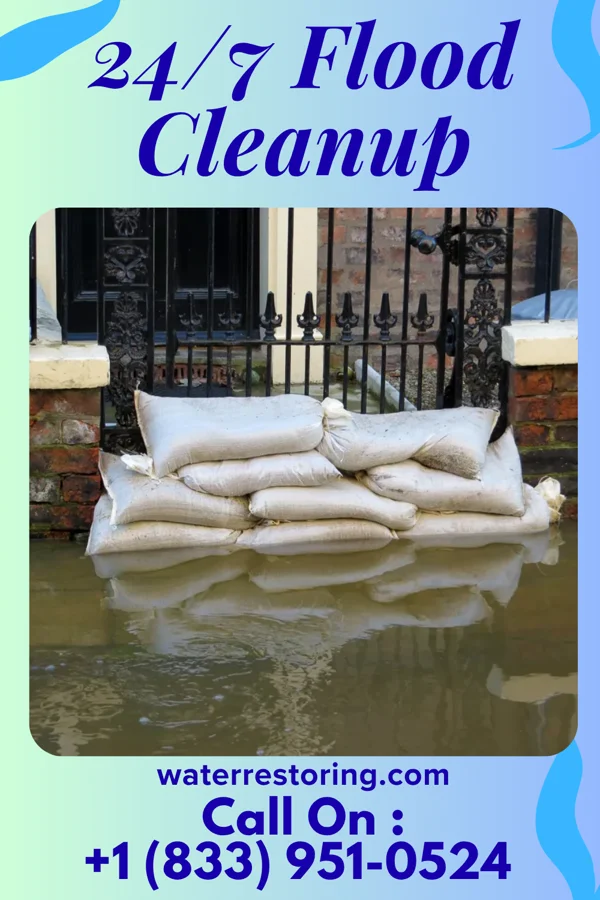
24/7 Flood Cleanup Across Fishhook Neighborhoods
Every neighborhood in Fishhook has a different water damage risk profile. The one that shows up on most restoration calls is permafrost thaw and snowmelt flooding. A close second is ice dam formation and glacial runoff.
Fishhook experiences a subarctic climate with heavy snowfall and rapid spring thaw, leading to significant flooding risks. The region's proximity to glacial melt and permafrost areas increases the likelihood of sudden water surges during the thaw season.
Water damage in Fishhook follows a few local patterns. permafrost thaw and snowmelt flooding accounts for the bulk of our calls. Fishhook experiences a subarctic climate with heavy snowfall and rapid spring thaw, leading to significant flooding risks. The region's proximity to glacial melt and permafrost areas increases the likelihood of sudden water surges during the thaw season. In Fishhook, mold can develop within 72 hours of flooding due to the region's cool, damp climate. Prompt water extraction and drying are crucial to prevent long-term structural damage and health risks.
For public guidance on the health effects of mold after prolonged water exposure, see the EPA mold and health page.